
Kidepo Valley National Park: A Landscape of Untamed Beauty
Tucked away in Uganda’s remote northeastern corner, Kidepo Valley National Park is often described as the true African Wilderness for its raw, untamed beauty. The park sits on a vast area of 1,442 square kilometres. It derives its name from a Karamajong word, ‘akidep,’ meaning ‘to pick,’ referring to people who would travel to collect the borassus palm fruit along the Kidepo River.
Exceptional Wildlife
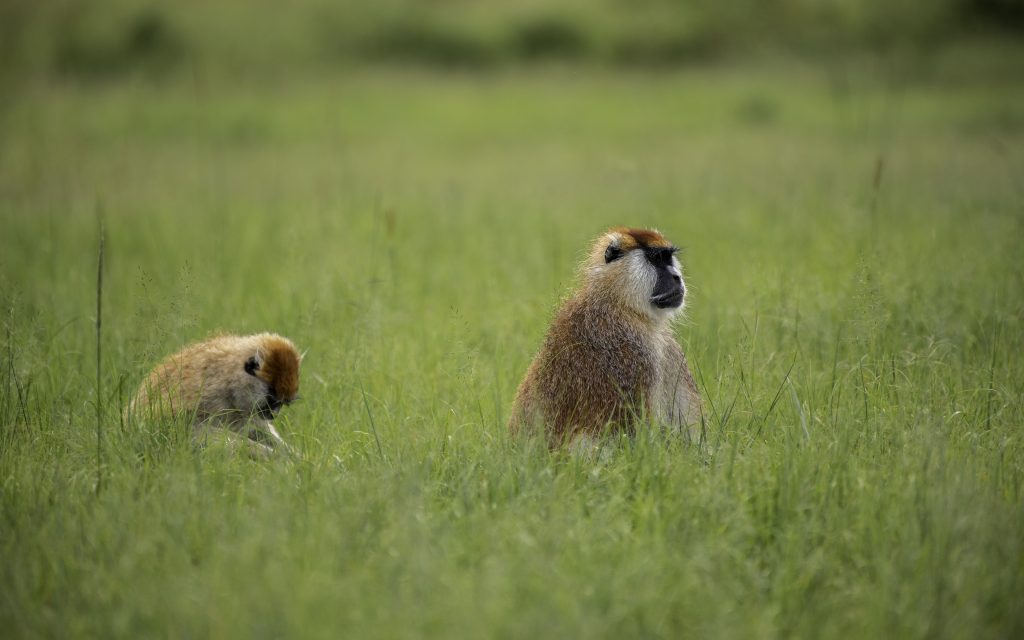
Kidepo’s remote location protects its authentic charm. Four of Africa’s big five are spotted in the park: lions on rocks, elephants in wide plains, elusive leopards in the secluded savannah, and massive buffalo herds are a common sight, offering an unforgettable safari experience. The park is also one of the only spots in Uganda where visitors can see the endangered cheetahs, ostriches, bat-eared foxes, and other aridity-adapted species such as secretary birds(the massive snake-hunting specialists), pygmy falcons, Jackson’s hornbill, Karamoja Apalis, among others. It is also one of the only two homes of Uganda’s wild ostriches.
Cultural Experiences
Near the park lies the land of the Karamojong, a semi-nomadic pastoralist group characterized by its cattle-rearing lifestyle, colourful traditional dress, and warrior culture. Visitors can tour Karamojong homesteads (manyattas) to see their way of life. Besides the Karamojong, the region is also home to the Ik tribe found on the mountain slopes of Mt Morungole. It is one of Uganda’s smallest minorities and most unique tribes. A cultural immersion in the region provides visitors with a deeper appreciation of Uganda’s unique cultures and also supports local communities through initiatives such as craft selling, homestays, and traditional dances, among others. Visiting the Karamajong and the Ik people happens all year round.
How to Get There
Kidepo is Uganda’s most remote park, and it borders South Sudan. It is approximately 520 to 560 kilometres by road from Kampala, which takes 10-12 hours. The journey is long but offers beautiful views and new experiences. However, domestic charter flights are the fastest way to reach the park, especially for those short on time, and these take two hours.
When to Go
When planning a trip to Kidepo Valley National Park, consider the dry months (June-September and December-February), as they offer the best wildlife viewing. For bird watchers, aim for the wet season (April-May or October-November) as migratory birds are present. However, the park is less accessible during the rainy seasons when roads can become challenging.
Who Should Visit
Kidepo is the true off-the-beaten-path experience and therefore ideal for experienced safari-goers, wilderness lovers, and those seeking solitude and adventure away from crowds.
WHERE TO GO
Our Packages
7 Day Gorilla Trekking Uganda-Kibale Chimpanzees & Queen Elizabeth Safari
This 7 Day Uganda Gorilla and Chimpanzee Safari combines three of the country’s most
Previous
Next